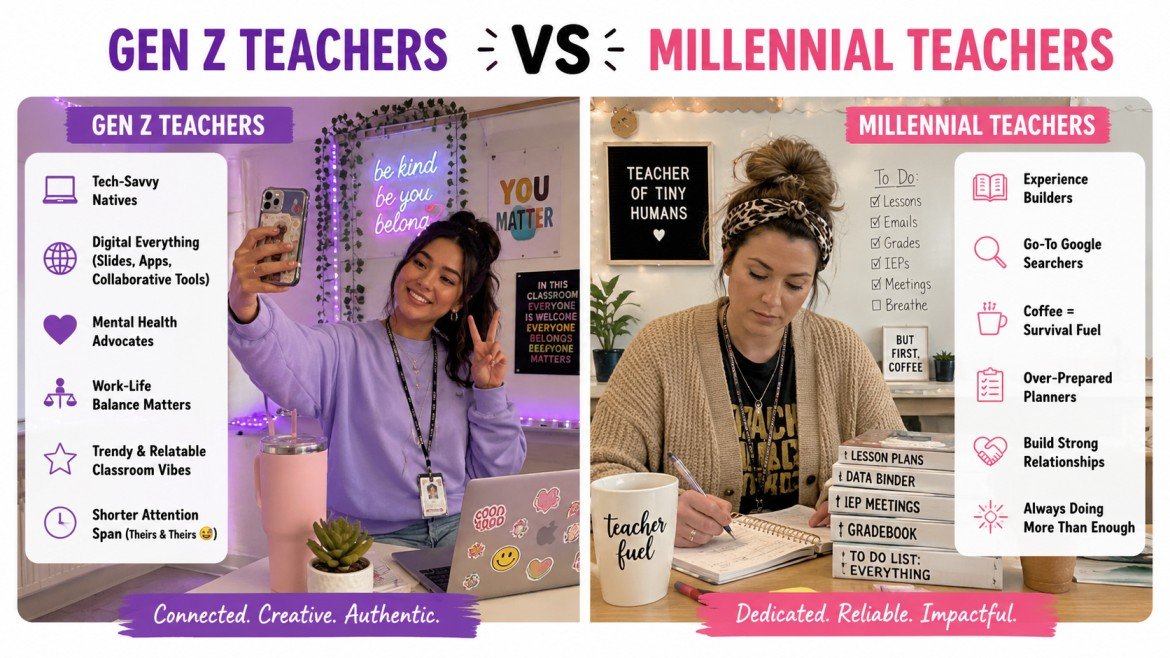
Generation Z (Gen Z) refers to the generation of people born approximately between 1997 and 2012 (the exact years may vary slightly depending on the source). They are the generation that grew up with internet access, smartphones, social media, and digital technology as a normal part of everyday life.
Gen Z is often described as a digitally native generation that values:
- Technology and innovation
- Creativity and self-expression
- Mental health awareness
- Diversity, equity, and inclusion
- Flexibility and work-life balance
- Authentic communication and personal identity
In the workplace and education settings, Gen Z individuals often prefer collaborative learning, technology-supported environments, quick access to information, and meaningful experiences rather than traditional approaches alone.
“Gen Z is the first generation to grow up fully surrounded by digital technology, shaping their communication, learning styles, and perspectives through the online world.”
Millennial teachers are educators who belong to Generation Y, generally born between 1981 and 1996 (the exact range may vary slightly depending on the source). They grew up during a period of major technological transition — moving from traditional teaching methods to digital tools and online resources.
Millennial teachers are often described as a generation that experienced both pre-digital childhood and digital adulthood, allowing them to adapt between traditional and modern approaches in education.
They are known for valuing:
- Strong teacher–student relationships
- Student-centered learning
- Collaboration and teamwork
- Continuous professional development
- Creative teaching strategies
- Technology integration with traditional methods
- Emotional connection and mentorship
In classrooms, millennial teachers often combine experience-based teaching practices with modern educational technology, using tools like digital presentations, online resources, and interactive activities while maintaining personal connections with students.
“Millennial teachers are the bridge between traditional and digital education — blending classroom experience, relationships, and technology to create meaningful learning experiences.”
What Can Gen Z Teachers Learn from Millennial Teachers?
While Gen Z teachers bring digital innovation and fresh perspectives to education, Millennial teachers offer valuable experience gained from navigating both traditional and modern teaching environments. Learning from each other can help create stronger, more balanced classrooms.
| Area | What Gen Z Teachers Can Learn from Millennial Teachers |
|---|---|
| Building Teacher–Student Relationships | The importance of developing deep personal connections with students, understanding their needs, and creating a sense of trust and belonging in the classroom. |
| Classroom Management Skills | How to establish clear expectations, maintain classroom routines, handle diverse student behaviors, and create a structured learning environment. |
| Patience and Consistency | The value of patience, long-term effort, and consistency while supporting students’ academic and emotional growth. |
| Balancing Technology with Human Connection | Technology can enhance learning, but meaningful conversations, empathy, and face-to-face interactions remain essential for student development. |
| Lesson Planning and Organization | How to create well-structured lesson plans, set clear learning objectives, and design activities according to students’ developmental levels. |
| Understanding Educational Foundations | The importance of traditional teaching strategies, child development principles, assessment methods, and pedagogical approaches. |
| Handling Classroom Challenges | Strategies for managing conflicts, communicating with parents, collaborating with colleagues, and responding to challenging situations. |
| Professional Commitment | The value of consistency, responsibility, and dedication toward teaching as a long-term profession. |
| Inclusive Teaching Practices | Learning how to adapt teaching methods, differentiate instruction, and support diverse learners through experience-based approaches. |
| Mentorship and Collaboration | The importance of learning from experienced educators, sharing knowledge, and working as a team rather than working individually. |
| Emotional Intelligence | Developing awareness of students’ emotions, building supportive environments, and responding with empathy and understanding. |
| Balancing Innovation with Practicality | Understanding that new ideas become more effective when combined with classroom experience and realistic implementation strategies. |
What Can Millennial Teachers Learn from Gen Z Teachers?
Gen Z teachers bring fresh perspectives shaped by growing up in a highly digital, fast-changing world. Their approach to technology, creativity, and communication can help Millennial teachers explore new possibilities in modern education.
| Area | What Millennial Teachers Can Learn from Gen Z Teachers |
|---|---|
| Digital Confidence | Gen Z teachers can inspire Millennial teachers to explore new technologies, digital platforms, and innovative tools with greater confidence. |
| Use of Artificial Intelligence (AI) | Learning how to use AI tools for lesson planning, creating teaching resources, personalized learning, and improving classroom efficiency. |
| Creative Teaching Methods | Incorporating creative approaches such as digital storytelling, interactive activities, gamification, videos, and multimedia-based learning. |
| Student-Centered Learning | Understanding the importance of giving students more voice, choice, and opportunities to actively participate in their learning process. |
| Adaptability to Change | Developing a mindset of continuous learning and becoming comfortable with rapidly changing educational trends and technologies. |
| Modern Communication Styles | Using new communication methods that connect better with today’s learners, including visual content, short-form resources, and digital platforms. |
| Social Media as an Educational Tool | Exploring how platforms and online communities can be used for sharing knowledge, creating awareness, and engaging students. |
| Flexible Teaching Approaches | Learning to move beyond fixed teaching methods and adapting instruction according to students’ interests, needs, and learning preferences. |
| Innovation and Experimentation | Becoming more open to trying new ideas, testing creative strategies, and learning through experimentation. |
| Digital Content Creation | Developing skills in creating engaging digital resources such as educational videos, interactive presentations, online activities, and visual learning materials. |
| Mental Health Awareness | Understanding the importance of emotional well-being, healthy boundaries, and creating a supportive learning environment. |
| Inclusive Perspectives | Learning from Gen Z’s emphasis on diversity, acceptance, accessibility, and creating spaces where every learner feels valued. |
| Collaborative Learning | Using online collaboration tools and encouraging peer learning, teamwork, and shared knowledge creation. |
| Work-Life Balance | Recognizing the importance of maintaining personal well-being, preventing burnout, and creating sustainable teaching practices. |
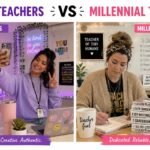
Strengths of Gen Z Teachers vs Millennial Teachers
| Millennial Teachers (Generation Y) Strengths | Gen Z Teachers Strengths |
|---|---|
| Bring classroom experience, practical knowledge, and a deeper understanding of student needs. | Bring fresh perspectives, new ideas, and willingness to experiment with modern teaching approaches. |
| Strong ability to build meaningful teacher–student relationships through trust, mentorship, and emotional connection. | Create open, approachable, and collaborative relationships with students. |
| Skilled in classroom management, maintaining routines, and creating structured learning environments. | Use flexible classroom approaches and encourage student participation. |
| Effectively combine traditional teaching methods with digital tools and resources. | Show confidence in using digital platforms, AI tools, educational apps, and emerging technologies. |
| Have strong lesson planning skills, curriculum understanding, and assessment strategies. | Design creative and engaging lessons using multimedia, interactive activities, and digital resources. |
| Adapted from traditional classrooms to smart classrooms and online learning environments. | Quickly adapt to new technologies, trends, and changing educational practices. |
| Use experience-based problem-solving strategies to handle classroom challenges. | Bring innovative thinking and explore new solutions to educational challenges. |
| Often have experience supporting diverse learners and adapting teaching strategies. | Promote diversity, accessibility, and inclusive learning environments. |
| Maintain professional communication with students, parents, and colleagues. | Use modern communication methods and digital platforms to connect with learners. |
| Value continuous professional development through training, workshops, and experience. | Actively explore online learning resources, digital communities, and new educational trends. |
| Create meaningful learning experiences using knowledge of child development and pedagogy. | Bring creativity through technology, content creation, and innovative teaching methods. |
| Understand classroom emotions, student behavior, and long-term mentoring. | Focus on student voice, mental health awareness, and emotional well-being. |
| Provide stability, experience, structure, and strong educational foundations. | Provide innovation, digital transformation, creativity, and future-ready teaching approaches. |
Education is not a competition between generations; it is a collaboration of experiences, ideas, and perspectives.
Millennial teachers bring the strength of experience, emotional connection, classroom wisdom, and strong educational foundations.
Gen Z teachers bring innovation, digital confidence, creativity, and a fresh understanding of modern learners.
The future of education does not belong to one generation alone. It belongs to teachers who are willing to learn from each other, adapt to change, and keep students at the center of everything they do.
When experience meets innovation, classrooms become more inclusive, engaging, and prepared for the future.
“The best teachers are not defined by the year they were born, but by their willingness to keep learning, evolving, and inspiring others.”